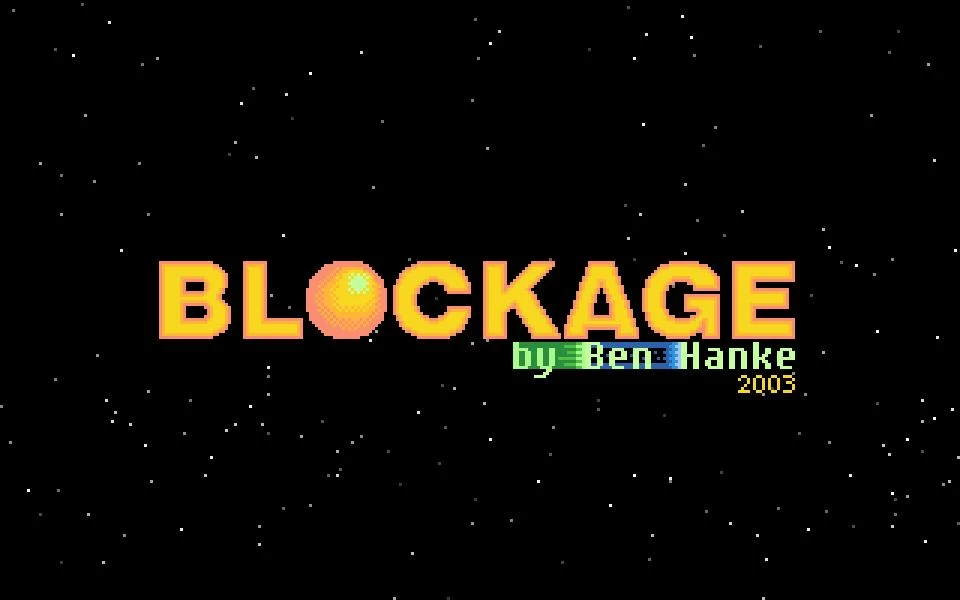
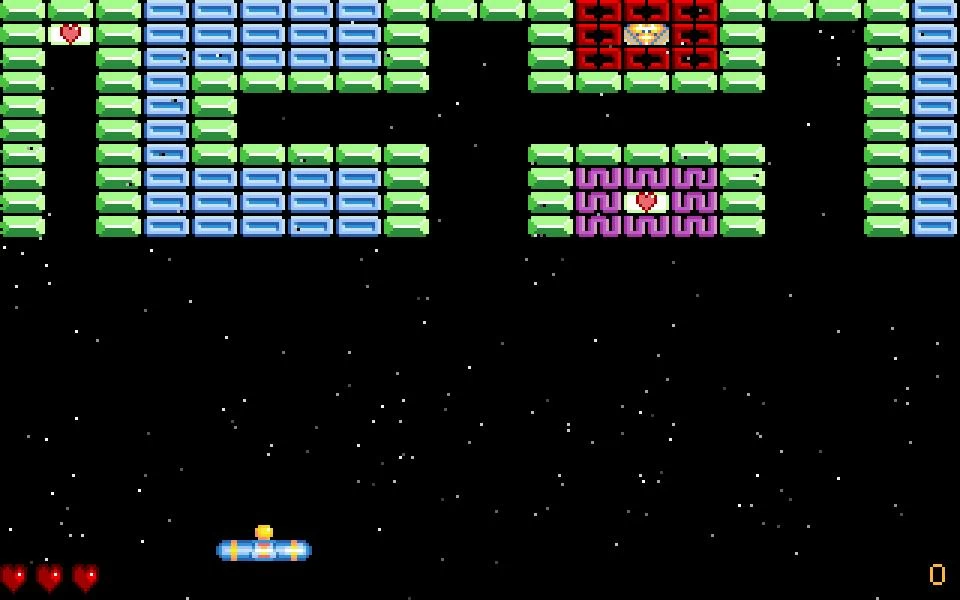
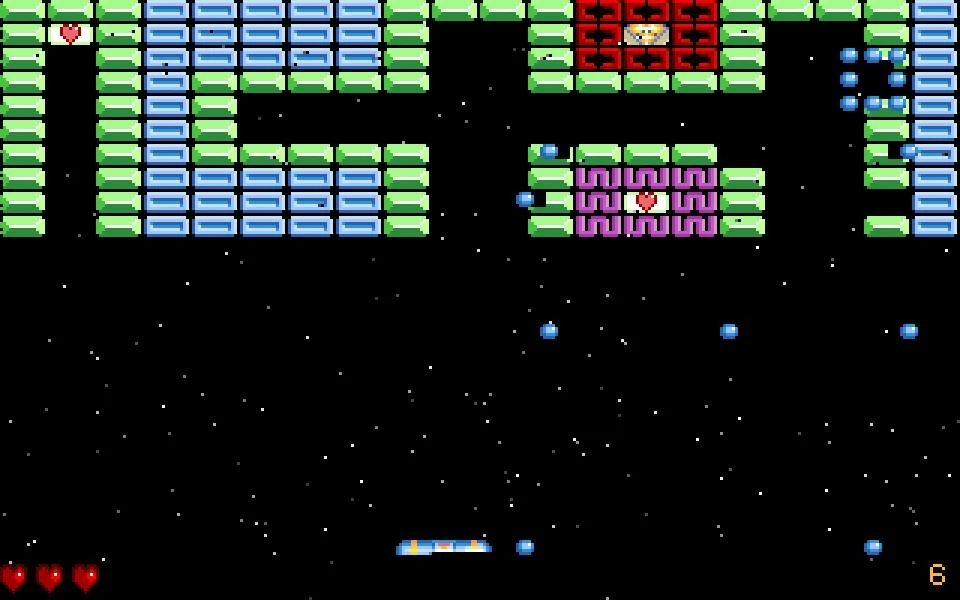
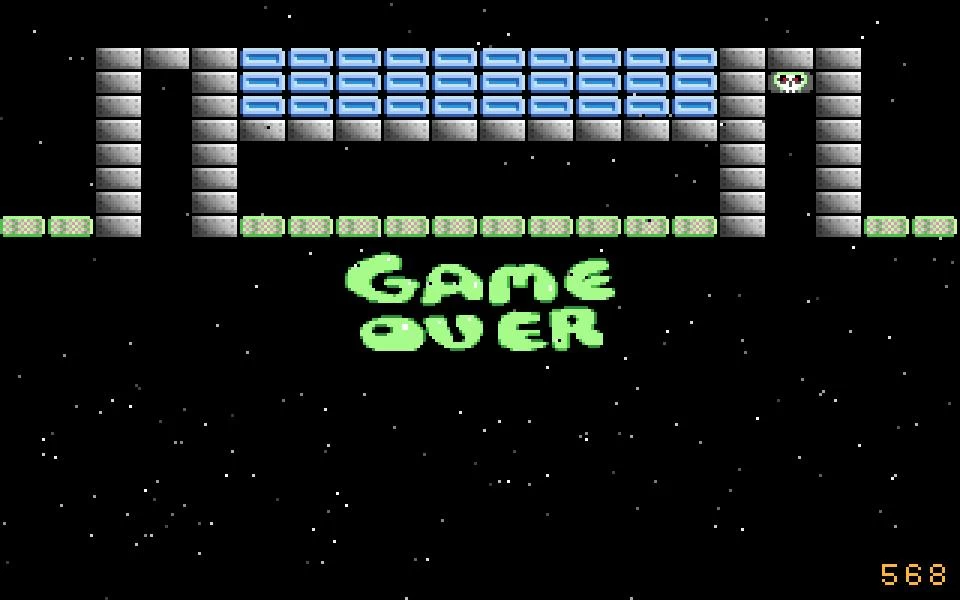
Blockage emerged in the twilight of DOS gaming, a puzzle adventure wearing a stubbornly infectious grin. Released in 2003 by a tiny studio called Nebula Interactive, it landed on reluctant hardware with a promise of brainy fun rather than brute force. Players found themselves steering a nimble cursor through a lattice of shifting corridors, placing temporary barriers that reshaped the map in real time. The goal was to corral rogue blocks and guide a safe path to the exit before alarms bloomed. Its aesthetic married crisp vector lines to a hand painted palette, a contrast that felt inviting and peculiar.
Blockage leaned on modular puzzles that fed on timing and anticipation. Each level placed a grid of obstructions, switches, and moving pillars, demanding a careful sequence rather than brute speed. The cursor could place blocking tiles, slide doors, or trigger fallback corridors, all with a satisfying click that echoed through the speaker stack. Enemies drifted as uncooperative shadows, their routes forming a labyrinth of seconds that collapsed with clever geometry. A simple scoring ladder rewarded efficiency and flair, while a harsh timer punished hesitation. The best moments felt like chess played on a board under a thunderstorm of MIDI notes.
Development traces for Blockage are sparse, yet the artifact feels born of late night hack sessions and stubborn curiosity. The team reportedly hacked together a tile engine in a weekend, then layered sound effects from a donated tracker module that lent character without strain. Artists sketched low polygon silhouettes that became recognizable silhouettes in crowded menus. On release, critics whispered about its sly humor and compact genius, while players on dial up machines celebrated the paradox of depth tucked inside a humble executable. Collectors cherish the title for its peculiar balance, a reminder that constraint can sharpen imagination and persistence.
Blockage occupies a curious shelf in retro gaming lore, admired by puzzle hounds and curious archivists alike. Its challenge is not merely rote puzzle solving but a narrative of hesitation turned into clever restraint, a design philosophy many successors embraced in different forms. The game runs best on vintage machines or faithful emulators, where the clack of keys and muffled chiptunes feel like a time capsule. Bypassing glossy spectacle, Blockage invites focus, spatial intuition, and a touch of audacious planning. In archival discs and fan sites, it remains a testament to how sorcery hides in simplicity for patient players.
Download game
It is possible that we have multiple downloads available
when different versions exist.