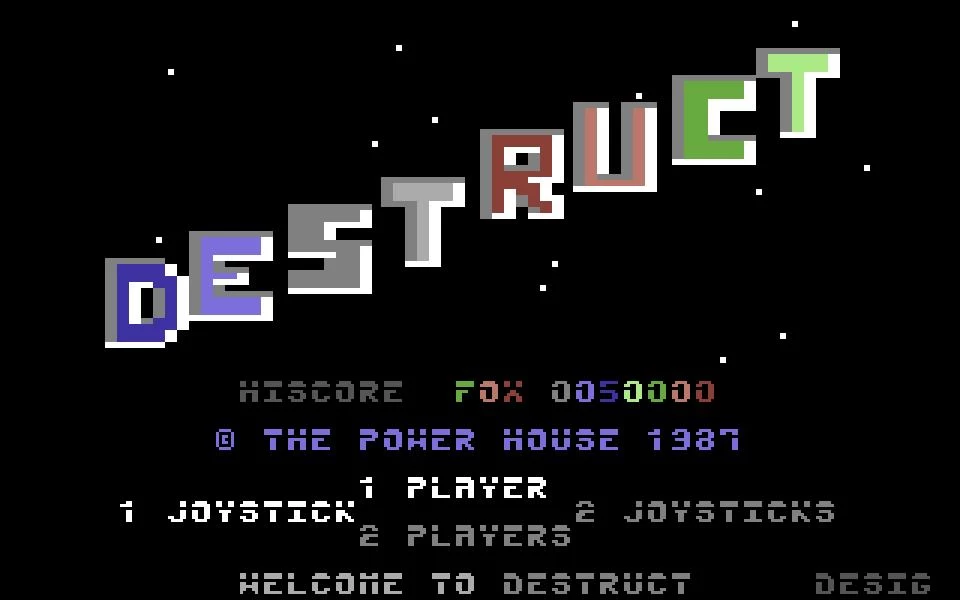
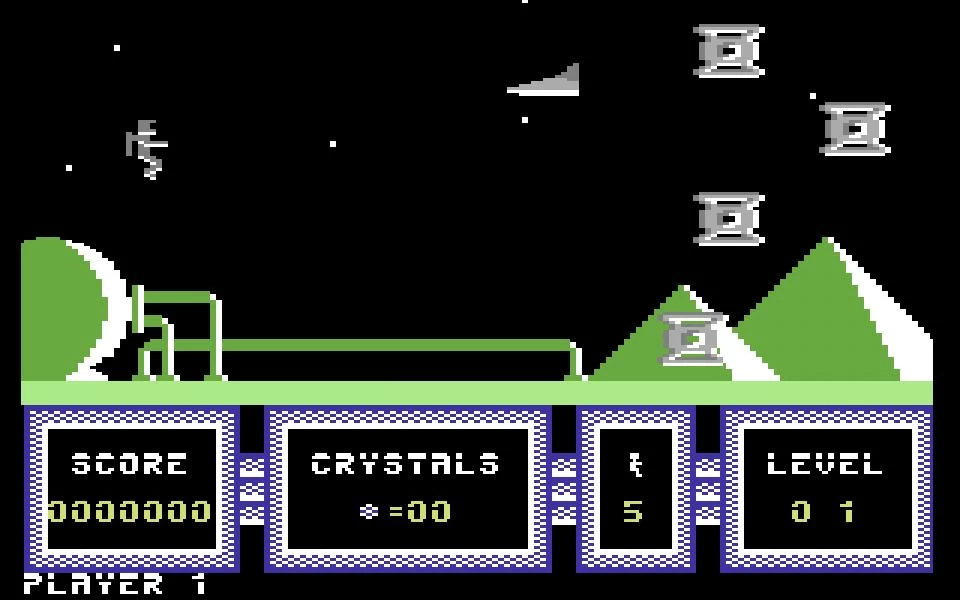
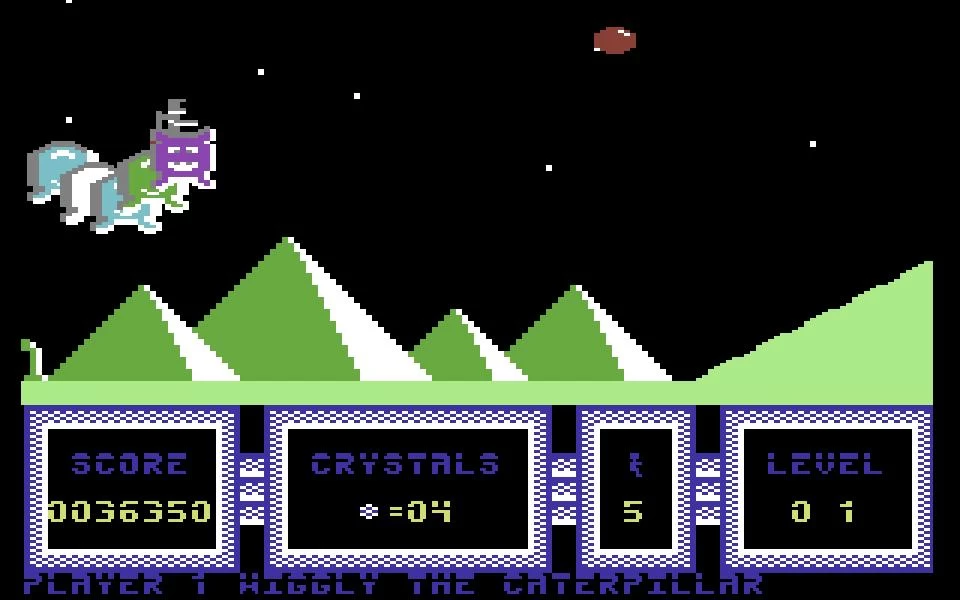
Destruct arrived on the Commodore 64 in 1987 as a bold addition to the year end catalog of quirky action titles. The game carves out a compact arena where a lone operator must smash through structures while dodging a gauntlet of patrols and hazards. Its promise rests on a simple premise plus a clever twist: every wall and floor piece can vanish under the combination of explosions, creating surprise pathways that force players to rethink routes on the fly. On the screen the palette glows with primaries, and the SID chip swirls a tune that keeps hands twitching with anticipation.
Movement relies on crisp arcade style controls, a dpad friendly traversal that invites learned patterns. The main weapon is a chargeable blast that shatters walls in rings, while secondary devices scatter across the map with limited uses. Players must balance speed against careful demolition, because exposing new corridors also reveals lurking sentries and timing traps. The maze like layout forces backward thinking during a run as flickering sprites spill from hidden alcoves. Boss encounters punctuate progress, each arena offering a different geometry of danger that rewards patience and meticulous line of fire rather than reckless bravado. It all tests memory.
On the audio side the design team leans into the modest bandwidth of the era, delivering punchy percussion and a bass line that keeps pace with the action. The sound effects are sharp, each explosion a quick flash of tone that communicates clearance or danger without long cues. Visuals lean toward blocky sprites and striped backgrounds, yet clever shading and parallax tricks give depth to cramped corridors. The loading cadence on cassette could be grueling, so players developed a patient ritual of insertion and wait, followed by a sprint into the first chamber before the next storm of enemies erupts.
Destruct stands as a curious relic of a crowded period when developers experimented with open ended destruction as a core mechanic. Critics at the time noted its stamina locked behind tough levels and a learning curve that rewarded repetition. Fans remember the triumphant moment when a obscure corridor yielded an exit, a small victory that tasted like victory earned through persistence rather than luck. In retrospect the game hints at modern ideas about interactive space being moldable, a concept that reappeared in later genres and platforms. For collectors it remains a talking point about ambitious design within tight hardware.
Download game
It is possible that we have multiple downloads available
when different versions exist.