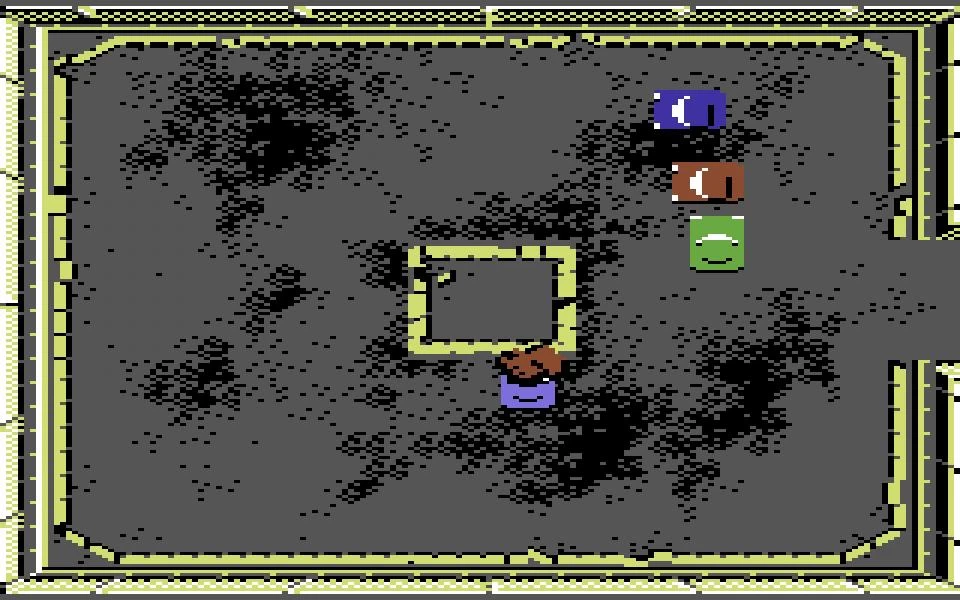
Hot Wheels is a video game in the racing / driving genre and published by Epyx, Inc. originally released in 1985. It is currently playable on Commodore 64.
Hot Wheels landed on the Commodore 64 in 1985, bringing the familiar toy brand into pixelated speedwork. Instead of treating the racing theme as mere decoration, the designers leaned into spectacle: sharp bends, looping track segments, and a sense of momentum that feels tuned to the limited hardware. The premise is straightforward, yet it supports a steady climb in difficulty, inviting players to chase consistent lap times rather than reckless button mashing. For many owners, it became one of those cartridges you kept returning to, partly because every run teaches something new about timing.
Control revolves around accelerating, steering through tight corners, and managing traction as the course bends. The game’s tracks reward anticipation, since late corrections tend to send the car skidding toward walls or off-route shortcuts. Each stage is built around visible landmarks so you can plan lines through hazards, then refine them through repeated attempts. Progress typically depends on speed targets and performance under pressure, meaning the fastest route is not always the safest. You learn where the road tightens, where momentum drains, and which turns allow brief recovery before the next obstacle arrives.
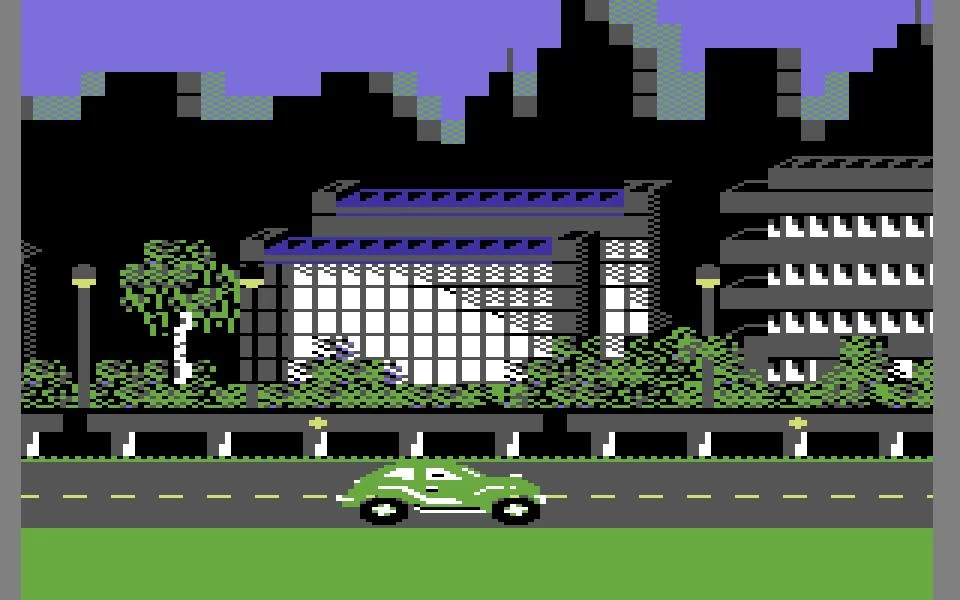
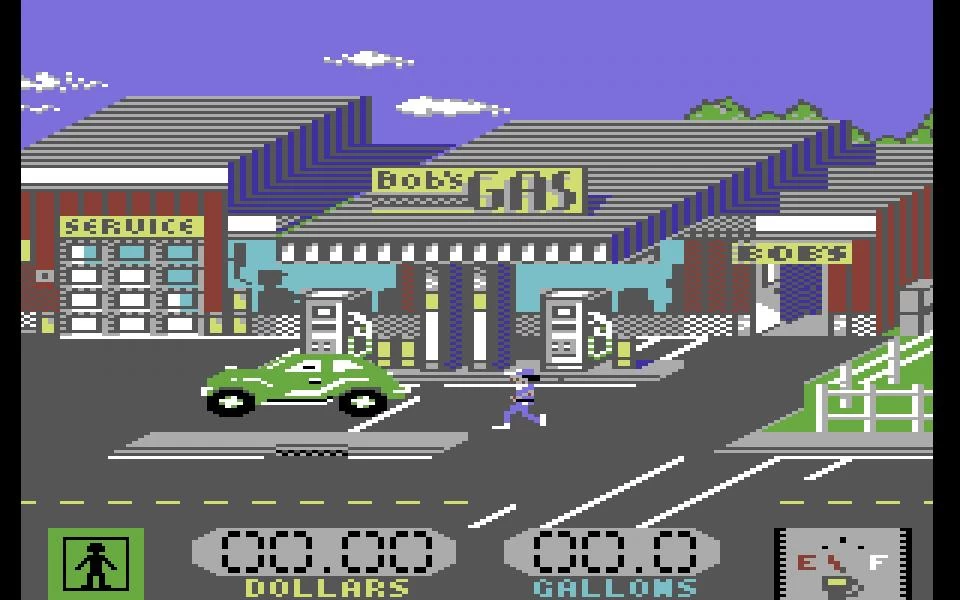
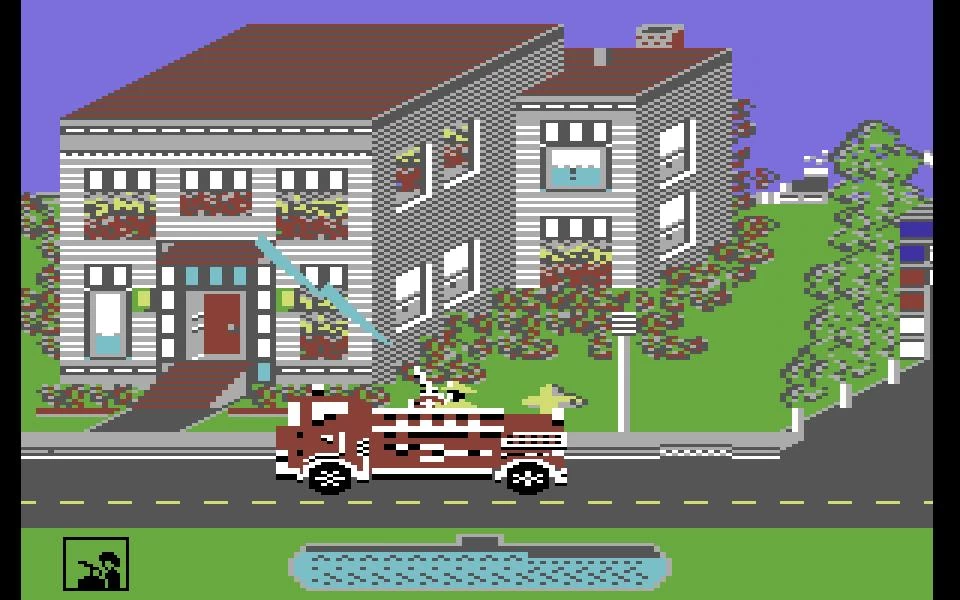
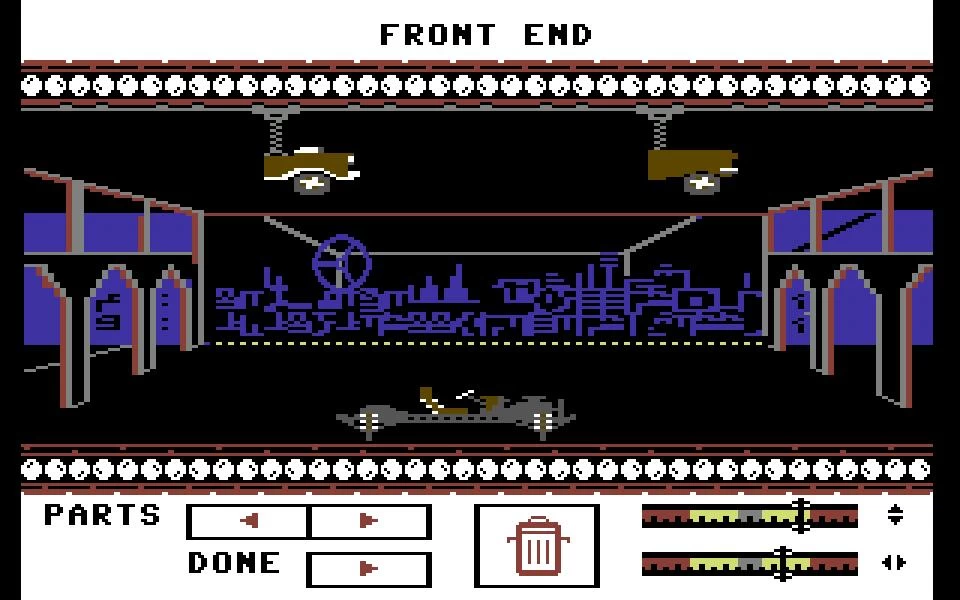
Visually, the title shows the C64 doing what it does best: bold outlines, readable scenery, and scrolling that stays coherent during high motion. The track graphics are busy but never completely chaotic, and sprite movement remains smooth enough to judge distance at a glance. Sound effects add a gritty, arcade-like pulse, with engine noises and impacts that punctuate mistakes. Music, though constrained, does a solid job of setting a brisk rhythm that mirrors the gameplay loop. Considering the era, the presentation feels surprisingly energetic, not merely functional.
In the mid 1980s, racing games on home computers often competed on novelty, yet Hot Wheels earned attention through its balance of speed and discipline. It asks for focus in a way that feels less like memorization and more like learning physics through experience. The learning curve can be punishing, but it is also motivating, since small adjustments translate into tangible results. Even now, the game is remembered for its approachable theme, responsive handling for its time, and the way it captures the toy-box thrill of racing around imaginative track layouts.
Download game
It is possible that we have multiple downloads available
when different versions exist.