Lorna is a video game in the action genre developed by Topo Soft and published by Topo Soft originally released in 1990. It is currently playable on DOS, Amiga, Amstrad CPC, Atari ST, MSX, ZX Spectrum.
Lorna arrived on DOS in 1990, yet it carries the eerie patience of an older gothic novel. The game follows a heroine who explores a landscape of puzzles, traps, and intermittent threats rather than sprinting through scripted scenes. Instead of relying on a flashy arcade tempo, it builds tension through exploration, careful observation, and the slow satisfaction of figuring out how objects connect. Even today, the atmosphere feels deliberate: dim corridors, cluttered rooms, and a sense that every decision might matter later.
At its core, the experience leans on classic adventure mechanics. You move through locations, examine items, and combine components in ways that reveal hidden passages or unlock progress. Dialogue is minimal, so meaning arrives through environmental storytelling: notes left behind, odd arrangements, and clues embedded in plain sight. Combat is rarely the highlight; when danger appears, avoidance and timing usually outperform frantic reactions. That design choice gives the game a measured rhythm, like solving a mystery where the house itself is part of the evidence.
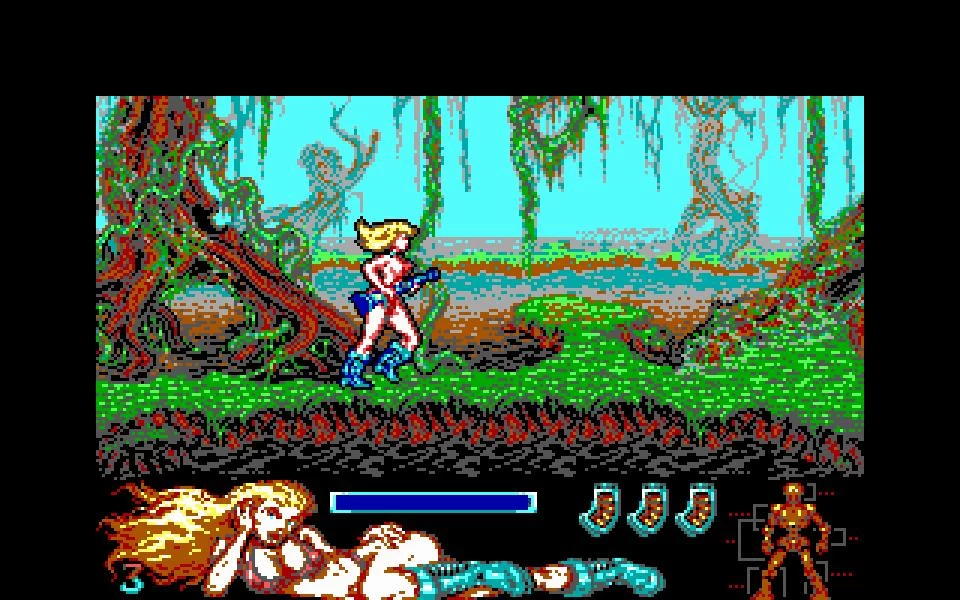
Graphically, Lorna uses the constraints of early PC hardware as an aesthetic advantage. Sprites are simple, backgrounds do not overwhelm, and the user interface stays out of the way. The result is a clean reading of the screen, which matters in puzzle-heavy adventures where misclicks can waste precious time. Sound design, though limited by the era, supports the mood with small bursts of noise and silence that heighten unease. Together, these elements create a mood that feels tense without becoming melodramatic.
The challenge level is the most memorable aspect. Some puzzles are straightforward once you understand the logic, but others demand lateral thinking or attention to details that feel almost trivial. Inventory management plays a big role, because the game encourages collecting items early rather than waiting for an obvious moment to use them. Mistakes are recoverable, yet the trial-and-error portion remains noticeable, a hallmark of the period’s design sensibilities. Players who enjoy unraveling systems usually find a rewarding loop.
For many gamers, Lorna also represents a bridge between early adventure conventions and the more modern sense of narrative immersion. Its world invites methodical curiosity, and its pacing avoids the habit of constantly pushing you forward. While it may not have the renown of larger studio releases, it stands as a vivid example of ambition thriving under technological limits. If you like antiquarian puzzle design and ghostly atmosphere, this title still feels oddly current.
Download game
It is possible that we have multiple downloads available
when different versions exist.




 Download Lorna DOS
 Download Lorna Amiga
 Download Lorna Amstrad CPC
 Download Lorna Atari ST
 Download Lorna MSX
 Download Lorna ZX Spectrum



