Pac-Man is a video game in the action genre developed by Namco Limited and published by Atarisoft originally released in 1983. It is currently playable on DOS, Apple II, Arcade, Atari 2600, Atari 8-bit, BlackBerry, Commodore 64, FM-7, Game Gear, Intellivision, MSX, Palm OS, PC-88, VIC-20, ZX Spectrum.
Pac-Man, a landmark in the history of video gaming, made its debut in 1980, but it was in the early 1980s that its reach expanded, particularly with the DOS version released in 1983. Developed by Namco and designed by Toru Iwatani, this iconic arcade game reshaped entertainment and defined an entire genre of gaming. The simple yet captivating premise of navigating a maze, consuming pellets while avoiding colorful ghosts, resonated with players around the globe.
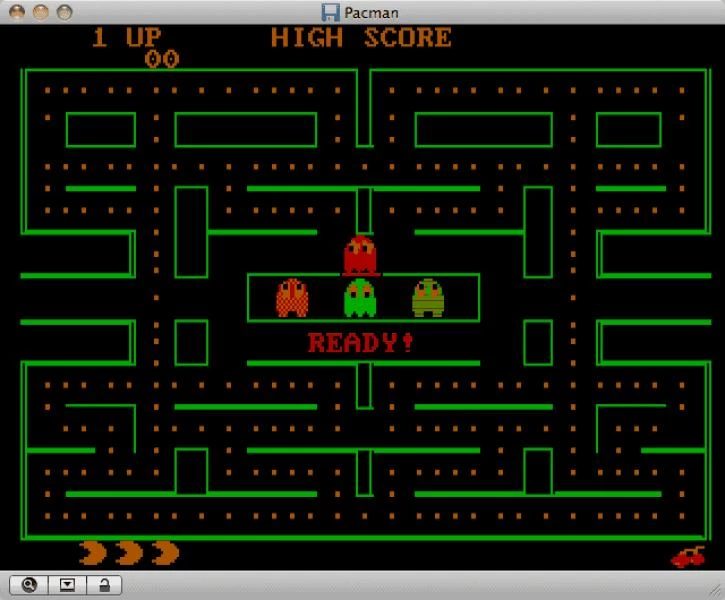
The gameplay is remarkably straightforward. Players control Pac-Man, a yellow, circular character who traverses a labyrinthine maze filled with dots known as pellets. The objective is to devour these pellets while dodging four ghosts named Blinky, Pinky, Inky, and Clyde, each with distinct behaviors that add layers of strategic complexity. Additionally, the maze houses larger power pellets that grant temporary abilities to turn the tables on the ghosts, allowing players to eat them for extra points. The combination of simple mechanics and escalating challenges keeps the experience engaging and addictive, encouraging players to improve their skills and achieve higher scores.
One cannot delve into Pac-Man’s allure without acknowledging its psychological impact on players. The game’s design masterfully blends anxiety and excitement; as players evade relentless pursuers, they experience an adrenaline rush that is hard to replicate. The vibrant colors, whimsical sounds, and rhythmic gameplay create an immersive environment that captivates individuals of all ages. Its wide appeal is evident as it transcends demographics, attracting children eager for adventure and adults seeking nostalgic indulgence.
The DOS version, with its distinct visual style and sound, allowed fans who were unable to visit arcades to enjoy the experience at home. This transition to personal computers was a significant milestone in making video gaming accessible to the masses. Players could now compete against friends and strive for personal bests in their living rooms, fostering a sense of community and camaraderie that became emblematic of gaming culture. The DOS adaptation ensured that even those less inclined toward arcade gaming could partake in the excitement of Pac-Man.
Pac-Man’s cultural impact extends beyond the confines of gaming. It has influenced a vast array of media, from animated television shows to merchandise, solidifying its status as a cultural icon. The game invites conversations about nostalgia, artistry in game design, and the evolution of gaming technology. Its legacy lives on, continually reinvigorated through remakes and references in modern games, ensuring that Pac-Man remains a beloved figure in the annals of gaming history.
The 1983 DOS release of Pac-Man was more than just a recreation of an already successful arcade classic; it was a watershed moment that democratized gaming. Its simple yet addictive gameplay, combined with its colorful aesthetic and intricate design, rendered it a timeless masterpiece. Pac-Man not only transformed the way games were played but also became a significant part of the societal landscape, paving the way for future generations to enjoy and innovate within this vibrant world of electronic entertainment.
Download game
It is possible that we have multiple downloads available
when different versions exist.


 Download Pac-Man DOS
 Download Pac-Man Apple II
 Download Pac-Man Arcade
 Download Pac-Man Atari 2600
 Download Pac-Man Atari 8-bit
 Download Pac-Man BlackBerry
 Download Pac-Man Commodore 64
 Download Pac-Man FM-7
 Download Pac-Man Game Gear
 Download Pac-Man Intellivision
 Download Pac-Man MSX
 Download Pac-Man Palm OS
 Download Pac-Man PC-88
 Download Pac-Man VIC-20
 Download Pac-Man ZX Spectrum



