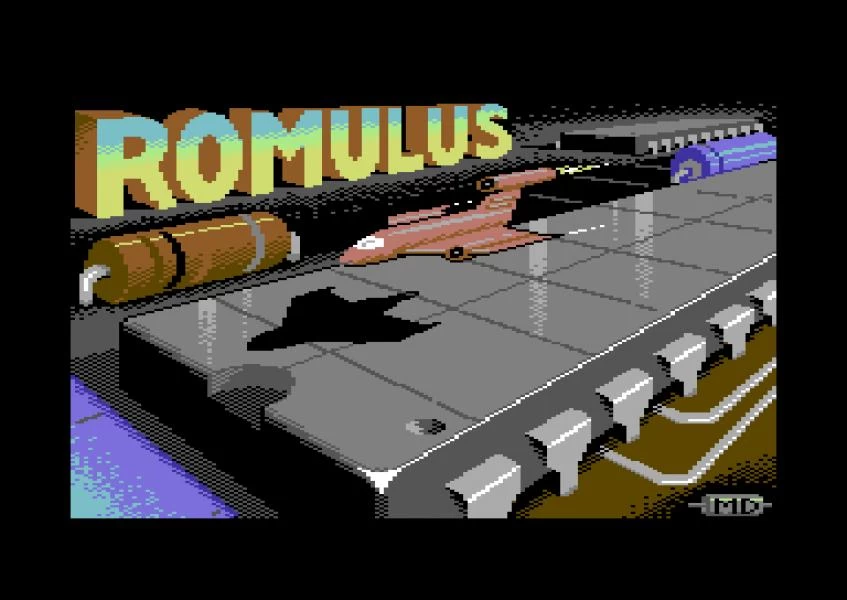
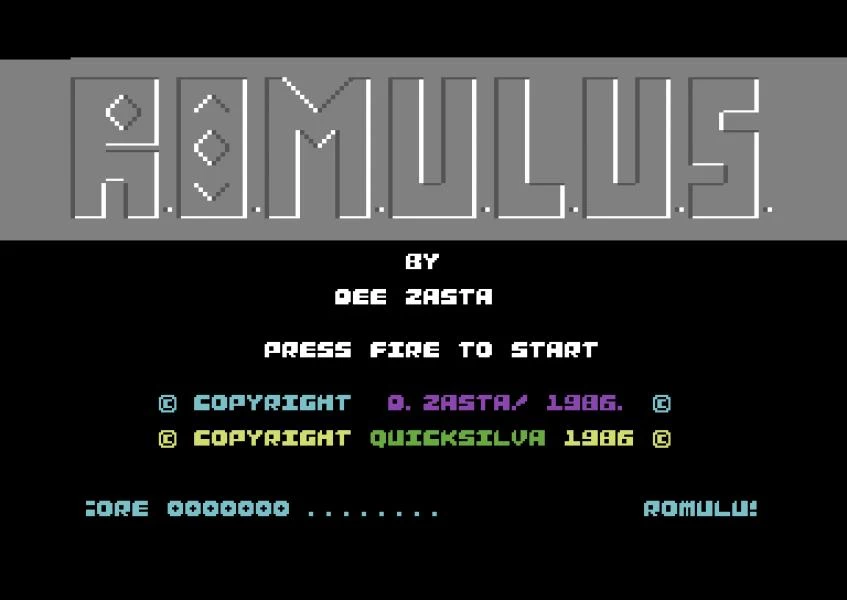
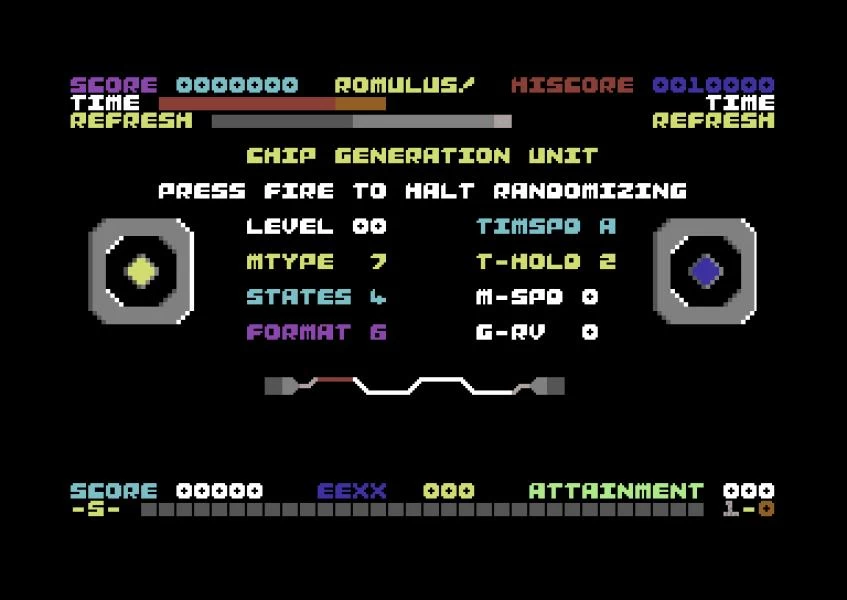
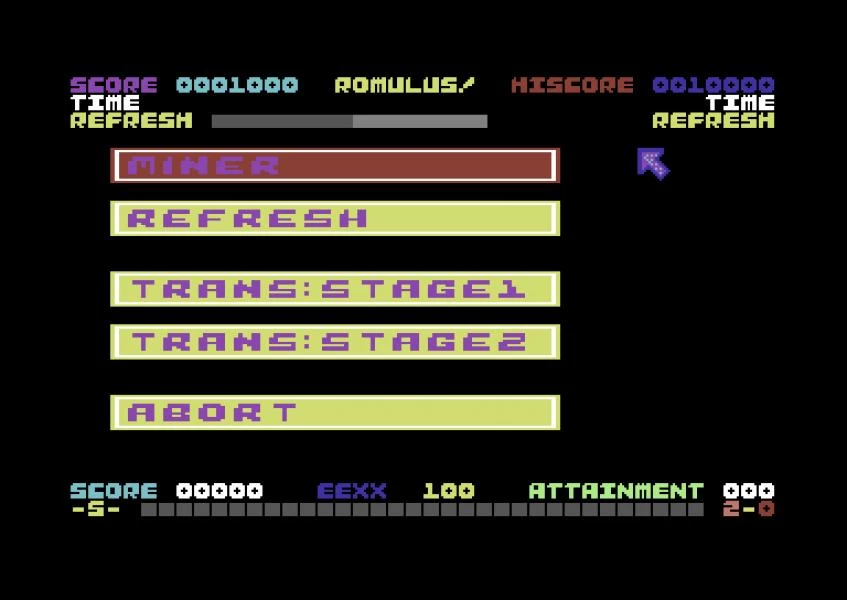
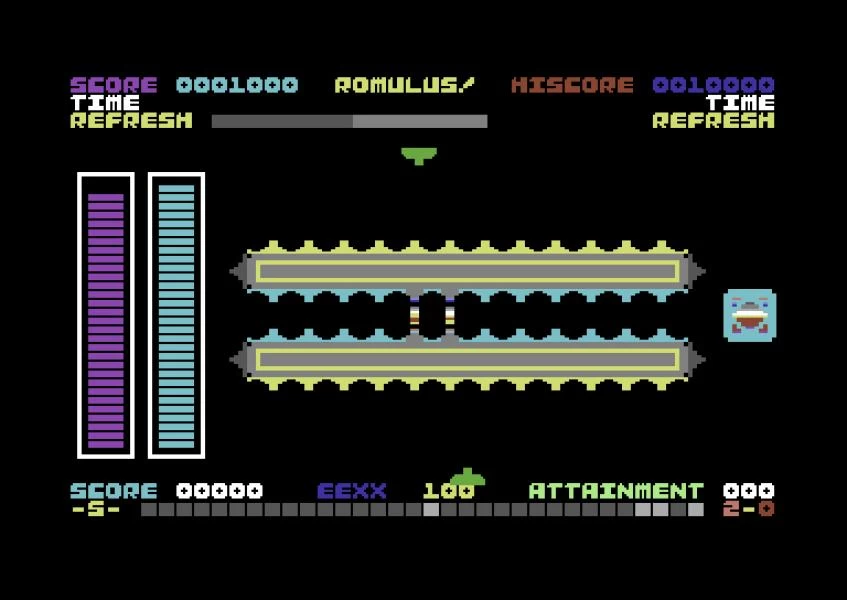
Romulus arrived on the Commodore 64 in 1987 as one of those quiet experiments that defined late 8 bit computing. It was not a blockbuster, yet it carried a peculiar poise, a sense that the machine could conjure grand myths from a modest engine. The game invites a traveler into a sunlit world that blends ancient imagery with savannah plains of imagination, where temples loom, coins clink, and danger hides behind corridors. Its ambition feels handwritten, not manufactured for mass appeal.
Players wander through stylized landscapes, solving puzzles and facing foes with a hybrid tempo that balances stealth, action, and deduction. Items are scarce, but each relic tells a story, nudging the story forward and rewarding careful observation. The map unfolds like a personal scavenger hunt, demanding memory, timing, and nerve. The rhythm shifts with the weather and the cycles of the day, so a single trek can reveal surprising incentives and peril in equal measure.
Visually the game leans on crisp sprites and tilework that glow in a restrained palette. Scrolls of color flicker as if carved from antique parchment, while parallax hints and carefully choreographed animation give the world a sense of weight. The soundscape borrows chime and drum from classic arcade tunes, yet everything remains intimate and purposeful. Controls respond with a soft but deliberate click, steering you through narrow hallways and wide ceremonial chambers without friction or whimsy.
Record of reception is fragmented, lying in magazines and margins where obscure C64 titles gain a second life in memory rather than sales figures. Critics often praised its atmosphere and restraint while noting occasional confusion in its puzzle logic and lack of instant tutorials. Fans recall midnight sessions, when loading from tape threaded patience and curiosity together. In retrospect Romulus stands as a relic of a period when designers experimented with mythic diction and concrete, bite sized challenges.
The title survives in emulation forums and retro collections as a curious artifact rather than a household name. Its stubborn refusal to simplify invites new players to chase obscure clues and develop a deep sense of place. For aficionados it is a reminder that the Commodore 64 could cradle ambitious storytelling inside a lean framework. Romulus rewards patience, rewards curiosity, and despite whatever rough edges it carries, it remains a cherished piece of the late eighties mosaic.
Download game
It is possible that we have multiple downloads available
when different versions exist.