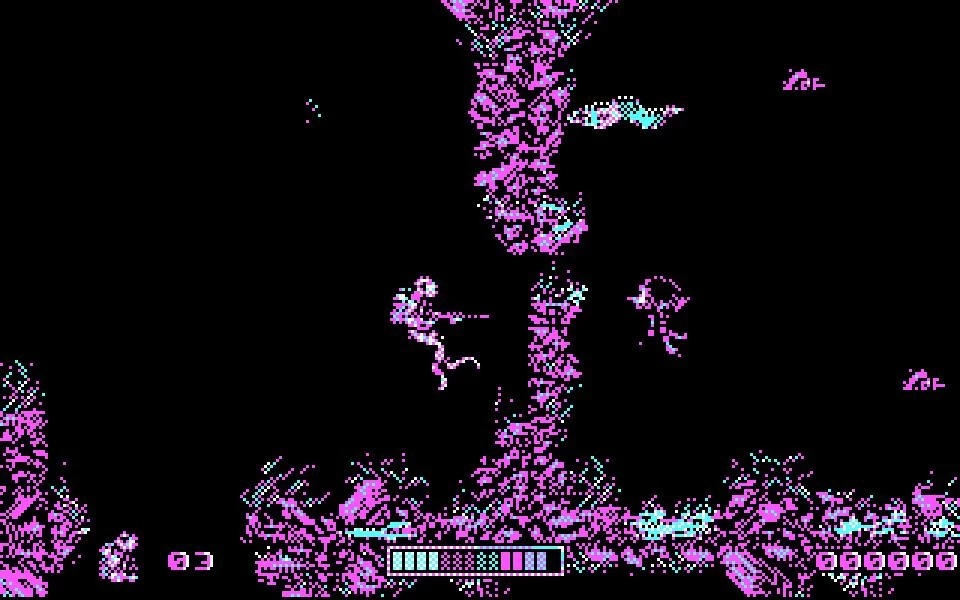
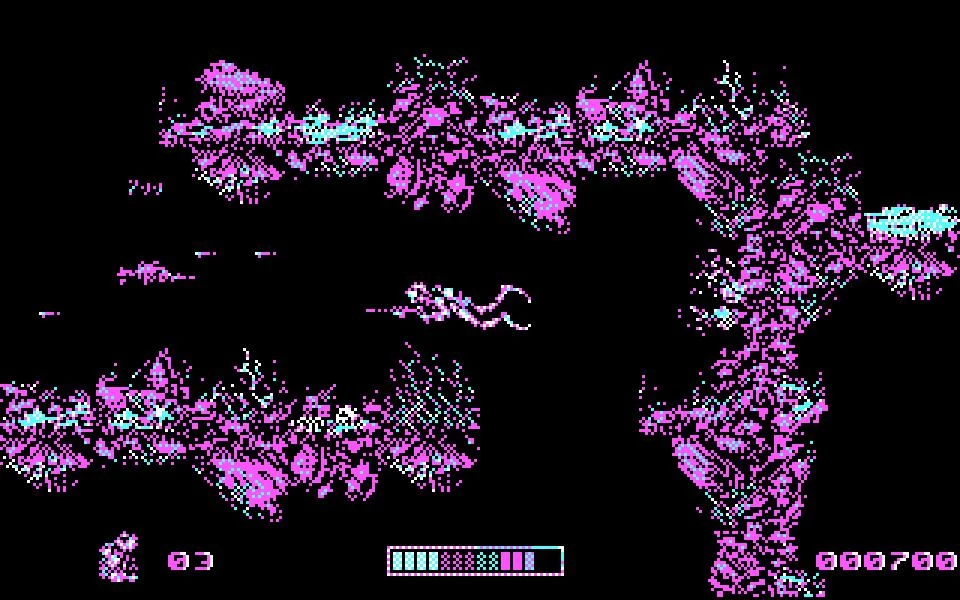
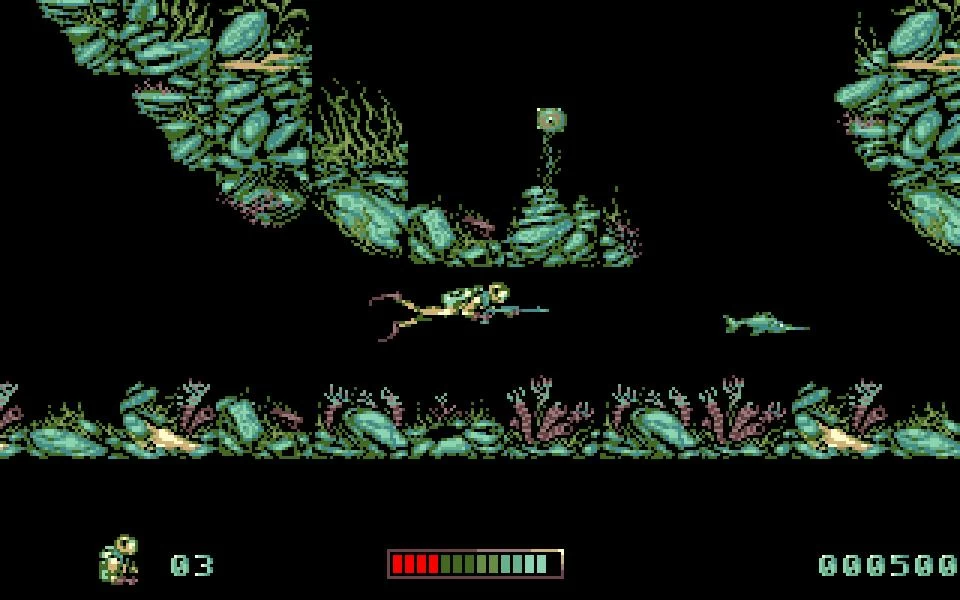
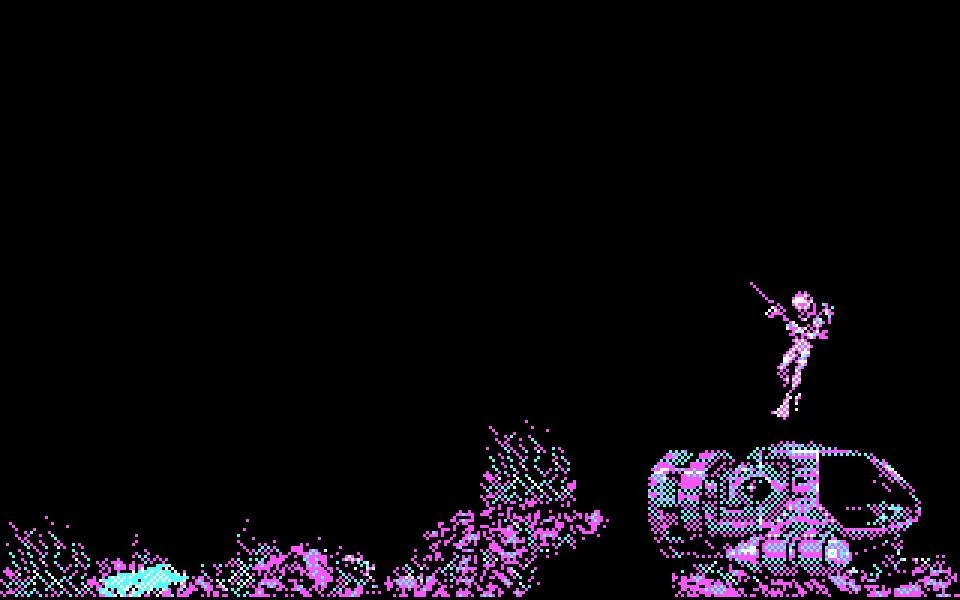
Titanic is a video game in the action genre developed by Topo Soft and published by Topo Soft originally released in 1991. It is currently playable on DOS, Amstrad CPC, MSX.
In 1991, DOS players got a melancholy diversion known as Titanic, a title that tries to turn the famous 1912 tragedy into something you can actively influence. Instead of treating the wreck as mere spectacle, the game frames the voyage as a lived-in ordeal: hallways, dining rooms, stairwells, and shadowy corridors become zones of decision-making where curiosity quickly collides with panic. Its hook is the sense that the timetable matters, and that small choices can steer a virtual passenger toward safety or catastrophe.
Graphically, Titanic reflects the era’s earnest ambition. VGA-era presentation delivers grainy yet evocative scene transitions, with character sprites and background art that lean on moody lighting rather than modern polish. The audio leans into period drama through ocean ambience, rumbling ship sounds, and occasional alarm tones that make every delay feel costlier. Controls are straightforward but old-school: keyboard navigation, inventory management, and contextual interactions that ask you to pay attention to what can be picked up, examined, or used.
Play unfolds like a guided investigation stretched across critical moments. You move through multiple decks, track down tools or keys, and solve puzzles that fit the setting, whether that means finding access routes to restricted areas or piecing together clues about what is happening below the waterline. Encounters with the sinking sequence build tension in stages, culminating in a frantic sprint toward lifeboats and escape points. The structure may seem linear at a glance, yet the game keeps adding urgency by tightening the window for resolution as the ship’s fate accelerates.
What makes Titanic linger for many DOS enthusiasts is its atmosphere-first approach. Even when the mechanics feel dated, the writing and presentation work to keep your attention on atmosphere: creaking metal, shifting conditions, and the growing sense that the environment is turning hostile. Some players remember it as a “systems” challenge, learning which objects trigger progress and which actions waste precious time. Others simply recall how the theme saturates every screen, making even minor errands feel like they carry weight.
Titanic also serves as a snapshot of early adventure design under hardware limits. It lacks the cinematic freedom of later titles, but it compensates with structured suspense, tactile interaction, and a clear objective that never drifts far from the disaster at hand. For anyone exploring classic DOS software, this 1991 entry remains a haunting curiosity: a brief, imperfect attempt to simulate the sinking of the most famous ship ever built, while still giving the player something to do besides watch.
Download game
It is possible that we have multiple downloads available
when different versions exist.