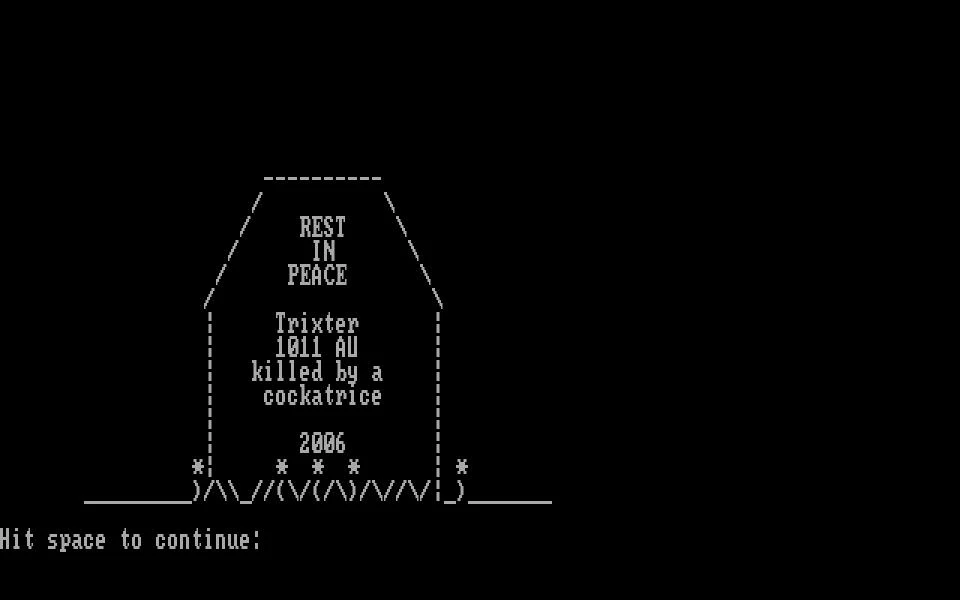
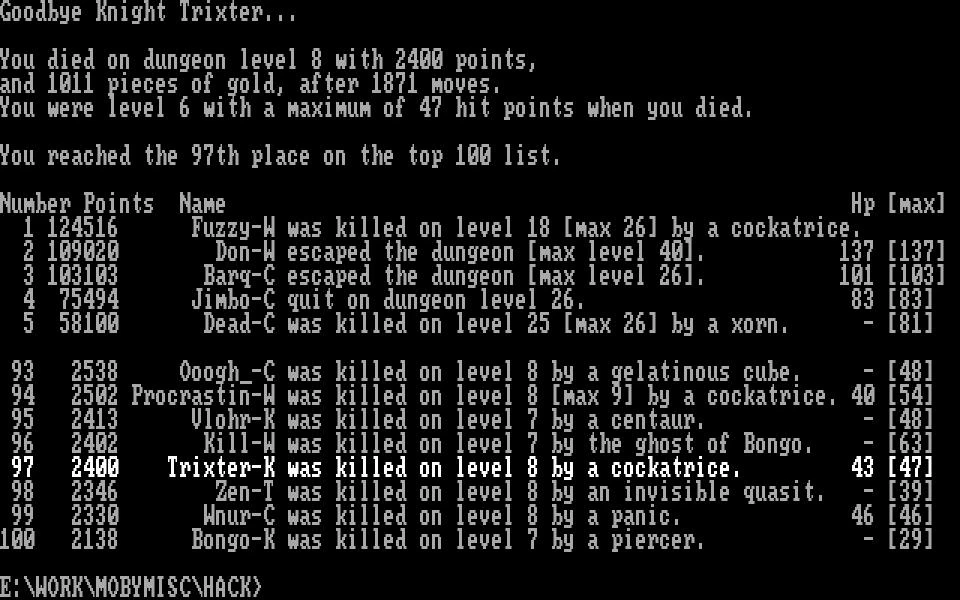
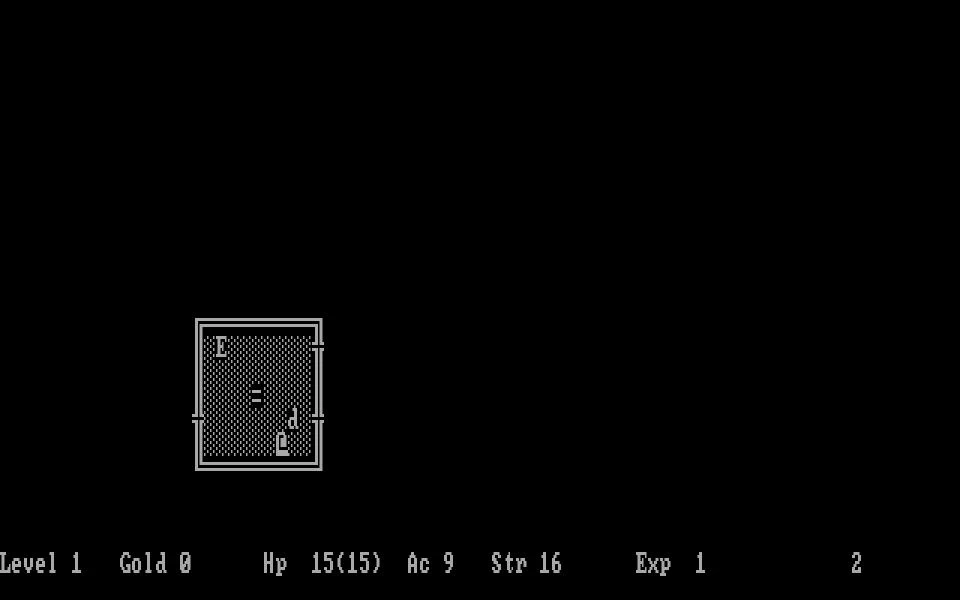
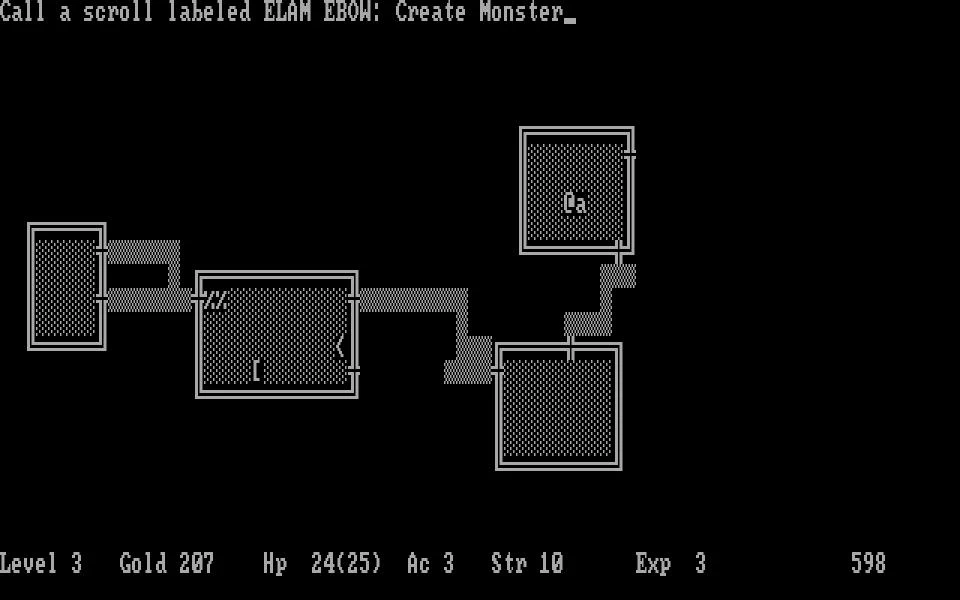
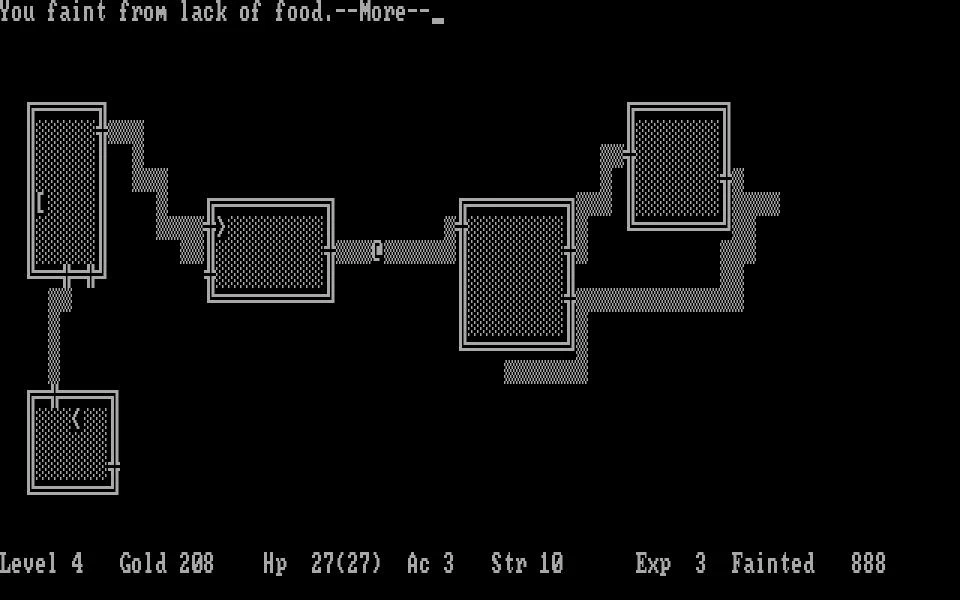
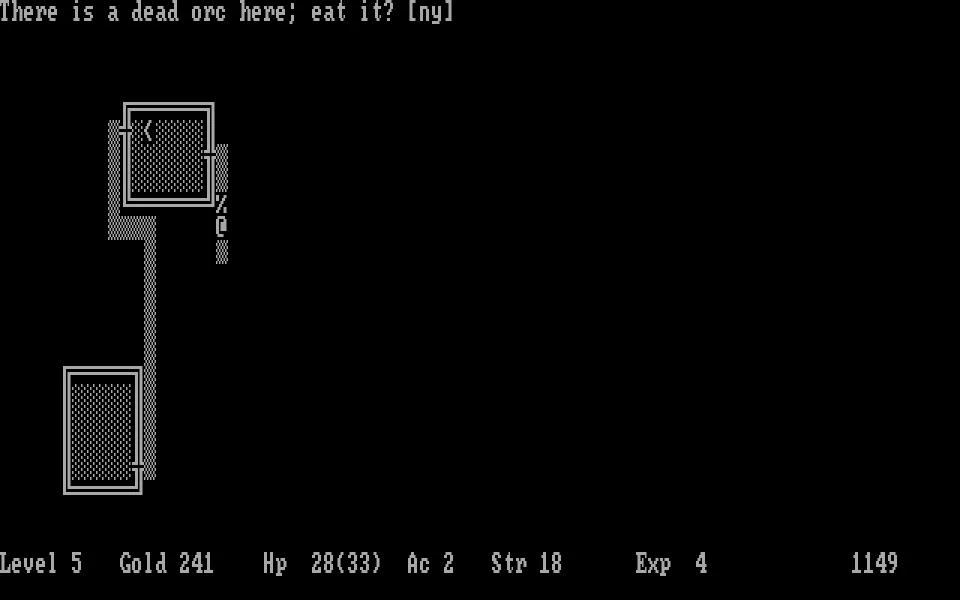
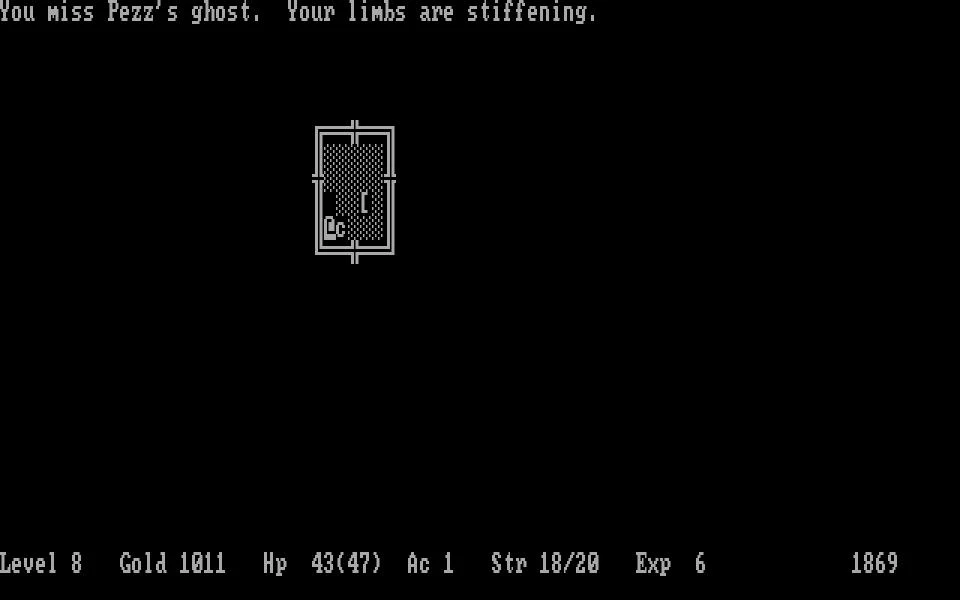
Released in 1984, Hack stands as a seminal title within the landscape of classic DOS games, renowned for its depth and complexity amid the early era of computer entertainment. Drawing its inspiration from Rogue, Hack embraced the roguelike tradition, immersing players in procedurally generated dungeons teeming with peril and mystery. Its ASCII graphics may seem austere to modern eyes, yet they nurtured vivid imagination in players tasked with delving into twisting labyrinths, battling monstrous adversaries, and seeking the legendary Amulet of Yendor.
At the heart of Hack’s enduring charm lies its unforgiving gameplay. There were no second chances—failure meant starting anew. Each session unfolded differently, with unique floor layouts, unpredictable treasures, and assorted enemies lurking around every bend. This element of randomness demanded adaptability and strategic forethought, making each expedition a fresh challenge. Permadeath was brutally enforced, yet those who triumphed bore the reward of genuine accomplishment, having navigated a gauntlet that tested both patience and ingenuity.
Notably, Hack offered an intricate array of mechanics that invited experimentation. Players could discover scrolls, potions, rings, and enchanted objects, each with mysterious properties only revealed through trial and error or the risk of use. Even mundane items held potential, rewarding curiosity and resourcefulness. Variation extended to character classes and races, allowing diverse approaches to dungeon diving and combat. The world felt reactive and alive despite the humble text-based visuals, echoing the unpredictability and excitement of tabletop adventures.
The interface, reliant on keyboard commands, fostered a unique relationship between player and game. Mastery of movement, item management, and special actions required both precision and memorization, deepening the immersive experience. Resource scarcity heightened the sense of tension, with hunger mechanics demanding prudent consumption and strategic foraging. The atmosphere was thick with suspense; a simple misstep could result in a swift demise at the hands of a hidden trap or a cunning opponent, lending each action considerable weight.
Hack’s legacy is vast, paving the way for future roguelikes and influencing modern game design with its blend of procedural generation and unforgiving challenge. Its spiritual descendants, including NetHack and even mainstream titles, owe a debt to its pioneering wisdom. For those seeking a raw, cerebral adventure that rewards boldness and wit, Hack remains a compelling artifact—a testament to the ingenuity that flourished during the formative years of PC gaming.
Download game
It is possible that we have multiple downloads available
when different versions exist.