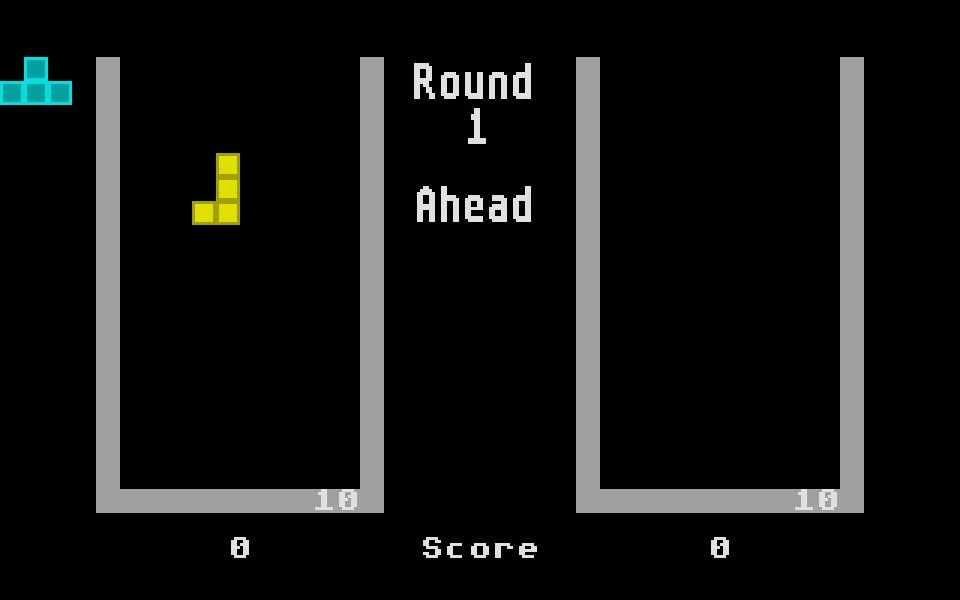
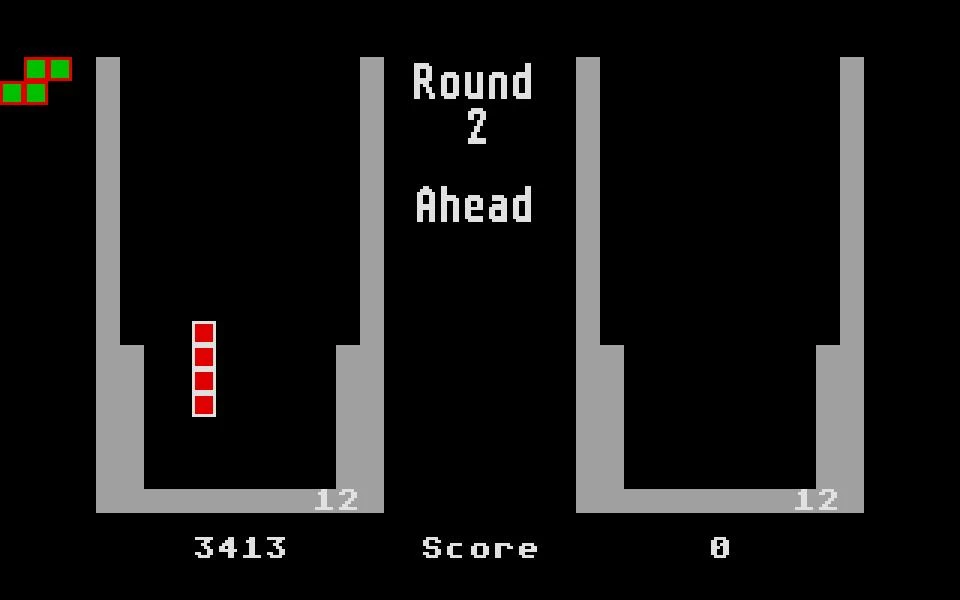
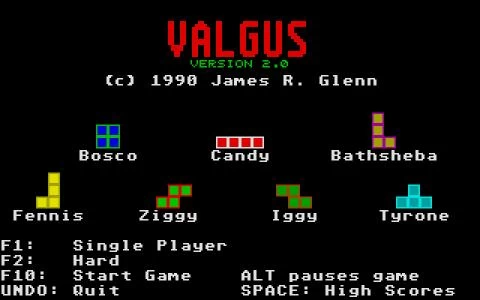
Valgus arrived on the Atari ST in 1990, landing during the last vibrant years of the platform’s commercial life. Right from the title screen, it feels built for momentum: tight camera work, chunky character frames, and a sense that every step forward matters. The premise is framed in a grim, dungeonlike mood, with the player cast as a solitary fighter pushing through themed stages filled with traps and aggressive inhabitants. Even without extravagant exposition, the game communicates urgency through its pacing and constant pressure.
Gameplay leans toward the action side, mixing direct combat with movement through rooms that reward observation. You are not just wandering corridors; you are timing attacks, dodging contact damage, and reacting to changing enemy patterns. The level design nudges you to experiment, because paths often conceal pickups or safer routes, while some hazards look misleadingly harmless until you misjudge their reach. It is the kind of challenge that encourages quick retries rather than slow, cautious progress.
Visually, Valgus showcases what the ST could do when developers leaned into crisp sprites and readable environments. Colors stay bold without turning into a smudge, and animations have enough frames to sell weight and impact. Scrolling is smooth enough to keep platforming rhythm intact, and the overall readability helps during tense moments when enemies surge across the screen. The soundscape, typical of the era, emphasizes punchy effects and energetic backing tones that underline the frantic tempo.
Control is one of the title’s strongest virtues. Your actions feel responsive, so combat does not drag and jumping has consistent timing. That steadiness matters because the difficulty can rise quickly, especially in later segments where enemy crowds and cramped layouts shrink the margin for error. When you finally clear a tough section, it tends to feel earned, like your understanding of its rhythm has clicked rather than merely lucking out.
Valgus remains an appealing curiosity for ST fans: a late-era arcade-minded experience that prioritizes speed, clarity, and satisfying failure cycles. It does not chase modern complexity; instead it delivers a compact thrill, stage after stage, where skill grows through repetition. If you enjoy games that respect your reflexes and reward attention, it is an underrated slice of 1990’s home-computer action.
Download game
It is possible that we have multiple downloads available
when different versions exist.